Perimenopause
Perimenopause refers to the years of hormonal upheaval before the final menstrual period. It can begin in a woman’s mid-30s or 40s. However, perimenopause is a state of body and mind, not a chronological destination. It begins with dropping progesterone levels dropping and ends with estrogen levels.
Perimenopausal symptoms are not well understood by most women, and certainly not by their mainstream physicians. Most women do not realize that perimenopause is much rockier and more difficult than menopause, because hormones fluctuate month to month, sometimes mildly and sometimes fiercely. Perimenopausal symptoms are quite common if you know what to look for and how to discuss potential issues.
Younger women sometimes figure menopause is some future cliff they will fall from, around age 50 or so, in the distant future. Not so. Women’s bodies have been preparing for this cliff for years, and it will pay future dividends for you to understand the “perfect storm” of perimenopausal hormone imbalances.
Common perimenopausal symptoms that can begin in one’s late thirties include more frequent periods, worsening PMS, deteriorating libido, and growing waistline. (Note that a typical period frequency can decrease from an average of every 28 days (about 4 weeks) down to 21 days (about 3 weeks), and if bleeding occurs more frequently than every 21 days, it requires gynecologic investigation.) You may find that old methods of coping (occasional exercise, yoga a few days per week, chocolate, a glass of wine most nights) don’t seem to work as well for perimenopausal symptoms. Metabolism becomes less forgiving. Women may feel more stressed out. Sleep erodes. Sometimes your spouse or partners feel like the enemy.
Perimenopause does not have one hormonal root cause. Rather, it is an expression of hormonal interdependence. This life stage need not be a death march through middle age; perimenopause is simply a period of biological rough waters that can be navigated optimally with a smart captain at the helm of the ship.

Menopause
Menopause is the time in a woman’s life when menstruation stops. It usually occurs naturally, most often after age 45. Menopause happens when the woman’s ovaries stop producing the hormones estrogen and progesterone.
The average age when a woman has her last menstrual period is 51 years, and menopause is defined as the absence of menstrual periods for 1 year. The years leading to menopause are often called perimenopause. This is a time of gradual decrease in estrogen levels and changes in the menstrual cycle. In general, perimenopause lasts from 45 to 55 years of age, although the timing varies among women.
Common Complaints
The complaint most often experienced, and reported, by over 75% of perimenopausal women is vasomotor symptoms (VMS). VMS can cause embarrassment and discomfort, and when these symptoms occur at night, they are called “night sweats” and may lead to significant sleep disturbances. VMS episodes can last one to five minutes and may be associated with perspiration, flushing, chills, anxiety, and even heart palpitations.
Other complaints most widely described include: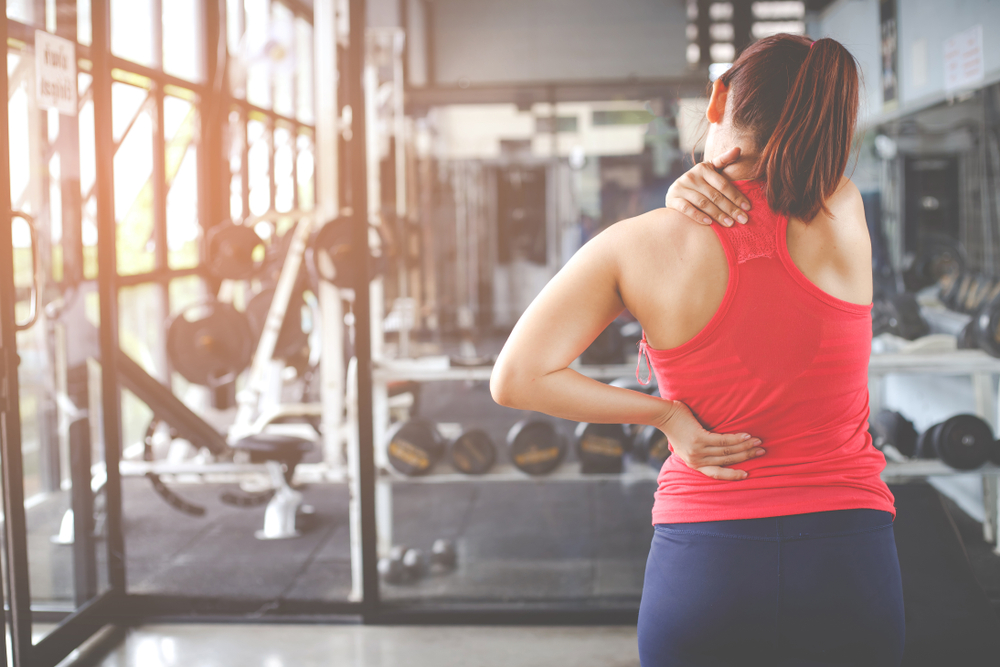
- Vaginal dryness
- New or increased number of urinary tract infections
- Insomnia
- Mood swings / Mood disorders (usually anxiety and/or depression)
- Weight changes
- Breast pain
- Headache
- Trouble focusing
- Joint / muscle pain
- Less hair on head, more on face
Some common signs and symptoms are:
- Thinning of vaginal epithelium, which contributes to vaginal dryness, dyspareunia, and pruritis
- Shrinking of uterus and ovaries (ovaries are usually nonpalpable in menopause)
- Reduced size and symptoms of fibroids
- Alleviation of symptoms of endometriosis
- Loss of pelvic muscle tone (sometimes manifested as prolapse)
With an aging population, an increasing number of women are experiencing the roller coaster known as the “change of life,” which translates as perimenopausal symptoms. While common complaints include more frequent menses, then skipped menses, vaginal dryness, and sleep disruption, many women are unaware of the effects perimenopause and the menopausal transition have on other body systems beyond reproduction, such as bone health, cardiovascular health, and cognitive health. Estrogen is the master regulator in the female body. Without it, patients may feel, as one put it, “neutered.” My task as a practitioner is to help personalize lifestyle medicine and navigate the sometimes-wild ride of perimenopause and menopause.
Recommendations
First, start with lowering your carbohydrate intake in your diet. Controlling your insulin levels helps to control your estrogen levels. Keto, Paleo, and Mediterranean diets are all great ways to do this. Try to eat as much organic food as you can. Pesticides/herbicides act like estrogen in the body, they also are classified as an antibiotic, so they wreak havoc on the gut environment.
Some supplements I like to use are Peri-menopause support for helping with hot flashes and other symptoms that occur. Adding fish oil and the pro-resolving mediators (PRM resolve) to reduce inflammation and taking Vitamin D3 with K2 are positive additions.
Lastly, I find supporting the stress response in our female patients is key. I call stress the 500 lb gorilla in the room that no one wants to talk about or acknowledge. Deciding whether we need to help with an overactive response or an under active response will help females feel better and sleep better almost immediately. Once decided we can choose how to proceed.
If a woman is still having issues, it usually means they need a detox program to help the body get rid of any of the excess estrogen that is still in the body. I like to use a 14-day detox program that leads to a 30-day hormone balancing program. Estrogen is broken down in the liver and released into the gut. If the gut is not able to handle this, then the estrogen just gets reabsorbed into the body and deposited into either fat’s cells or reproductive cells.
Struggling with perimenopause or menopause does not have to be the case. Using these things, I have discussed will help immensely in getting you feeling better. If you would like even more help with this topic, please feel free to contact our office and set up a Lifestyle Assessment so we can get you on the road to feeling better.
-Dr. Brian Opp, D.C.