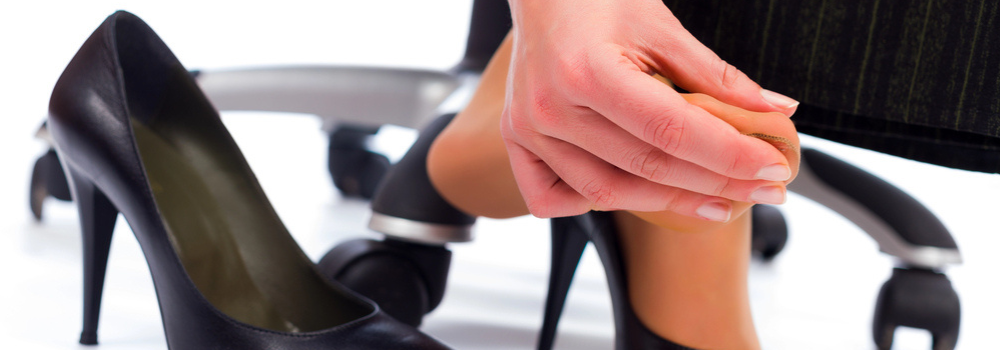
If you’ve ever stepped out of bed and felt a stabbing pain in your heel, you’re not alone. That sharp discomfort could be a sign of plantar fasciitis, one of the most common causes of foot and heel pain in adults.
While it can be persistent and frustrating, conservative chiropractic care may be all you need to get the desired results. The right chiropractic plan offers safe, noninvasive, and effective treatment options to relieve symptoms and correct the problem at its source, enabling you to safely regain comfort, mobility, and strength.
In this post, we cover:
- What plantar fasciitis is
- Reasons people get plantar fasciitis
- Tips to avoid getting plantar fasciitis
- Chiropractic solutions to treat plantar fasciitis
Let’s get to it…
What Is Plantar Fasciitis?
Plantar fasciitis is the inflammation of the plantar fascia, a thick band of connective tissue that stretches from the heel to the ball of the foot. Its job is to support your arch and absorb shock as you walk, run, or stand.
When the plantar fascia is overused or strained, this tissue can become inflamed or torn, leading to significant heel pain, especially in the morning or after prolonged rest periods.
Why Do People Get Plantar Fasciitis?
Many believe plantar fasciitis is an athlete’s condition, but that’s not always the case. In fact, there’s no single cause, and several risk factors can contribute to it.
Reasons people get plantar fasciitis include:
- Repetitive stress or overuse, often seen in runners, athletes, and those on their feet all day
- Wearing unsupportive shoes, such as flat sandals or worn-out sneakers
- High arches or flat feet, which place extra strain on the fascia
- Poor biomechanics, like overpronation or improper gait
- Sudden weight gain or obesity, which increases pressure on the foot
- Tight calves or Achilles tendons, reducing foot flexibility
- Prolonged standing or walking on hard surfaces
Even something as simple as increasing your activity level too quickly or not stretching enough can set the stage for plantar fasciitis to develop.
Tips to Help Prevent Plantar Fasciitis
While not every case is avoidable, many are preventable with some simple adjustments.
Try these tips to help avoid getting plantar fasciitis:
- Wear supportive, well-cushioned footwear, especially during exercise or long days on your feet
- Stretch your feet, calves, and Achilles tendons regularly
- Warm up properly before physical activity
- Avoid going barefoot on hard floors for long periods
- Use orthotics or inserts if you have flat feet or fallen arches
- Cross-train to reduce repetitive stress from a single activity
- Maintain a healthy weight to reduce pressure on the feet
Most importantly, listen to your body. Don’t ignore foot pain that gets worse over time.
How Chiropractic Care Treats & Reduces Plantar Fasciitis Pain
Chiropractic care addresses both the symptoms and root causes of plantar fasciitis through a variety of manual and supportive therapies.
Diversified Technique
This hands-on spinal and extremity adjusting method helps realign joints and improve biomechanics throughout the body, reducing compensatory stress on the feet.
Thompson Technique
This approach uses a drop table to gently adjust the spine and pelvis, which can impact lower body alignment and help ease stress on the plantar fascia.
Activator Method
This is a low-force instrument-assisted adjustment technique that helps address misalignments in the foot and ankle without discomfort. It is ideal for sensitive or acute cases.
Webster Technique
Originally designed for pelvic alignment (especially in pregnant patients), this method can help balance the body, improve posture, and relieve uneven weight distribution on the feet.
Cupping Therapy
By increasing blood flow and releasing fascial tension, cupping helps reduce inflammation and pain in the plantar fascia and surrounding tissues.
Graston Technique
A form of instrument-assisted soft tissue mobilization (IASTM) that breaks up scar tissue and adhesions in the foot, helping restore mobility and reduce pain.
Dry needling
Inserting fine needles into tight trigger points in the foot and calf muscles helps release tension, improve flexibility, and support healing of strained fascia.
Rehabilitation
Patients are guided through customized exercises and stretches that strengthen foot muscles, correct imbalances, and support better movement patterns.
Physio taping
Kinesiology tape helps support the arch, reduce pressure on the fascia, and encourage proper alignment during movement.
Patient education
One of the most important aspects of treatment is teaching patients how to modify daily habits, choose supportive footwear, stretch properly, and avoid re-injury.
Visit Our St. Francis Chiropractic Clinic for Plantar Fasciitis Relief
Our St. Francis chiropractor knows how debilitating foot pain can be. Whether you’re an active runner, a busy parent, or on your feet at work all day, plantar fasciitis can stop you in your tracks.
That’s why we take a comprehensive, whole-body approach to diagnosing and treating your pain so you can walk, move, and live with confidence again.
If you’re struggling with heel or arch pain, don’t wait for it to worsen. Contact our St. Francis chiropractic clinic today or book your appointment online. It’s time to take back control.